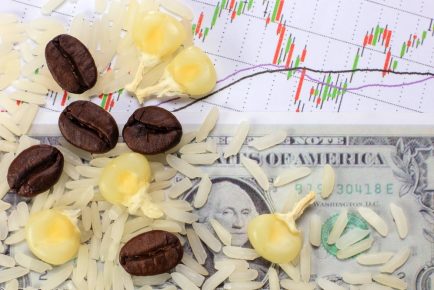
Commodities surround us in our everyday life, and they are everywhere – be it chocolate, oil, precious metals, et cetera. They are simply a resource that has been standardized and quantified. For example, gold is sold by weight, some other commodities by volume. Standardizing the assets makes investors know what they are getting and do not need to worry about quality.
Most commodities are traded on specific exchanges in large lot sizes, which could explain why they were often traded by institutional investors rather than individual investors. Some of the biggest and most well-known commodity exchanges include the Tokyo Commodity Exchange, the African Mercantile Exchange, Uzbek Commodity Exchange, Dalian Commodity Exchange in China, and the Chicago Mercantile Exchange in the United States.
Types of Commodities
Commodities are generally divided into four common categories, which are:
Energy
(crude oil, natural gas, gasoline, and heating oil)
Energy is one of the most common and renowned types of commodities traded worldwide in financial markets. Fluctuations in them heavily influence economics globally. Traders need to take into account a multitude of aspects, including the political situation, ecology, and so on, to make the right decision trading energy commodities.
Agricultural
(corn, wheat, soybeans, rice, cocoa, coffee, and cotton)
The aforementioned categories of commodities can be seasonal or greatly affected by epidemics– a huge influence force on trading. Usually, prices on agricultural commodities become volatile in summer.
Metals
(gold, silver, copper, and platinum)
Precious metals, gold especially, have been a popular commodity for millennia. Metals are some of the most important commodities in global stock markets, and their value can fluctuate greatly due to political, climate, and economic causes.
Commodities Markets
Most commodity types are traded on specific exchanges in large lot sizes, with trading usually being done by institutional investors rather than individual investors. Some of the largest and most well-known commodity exchanges include the Tokyo Commodity Exchange, the African Mercantile Exchange, Dalian Commodity Exchange in China, and the Chicago Mercantile Exchange in the United States.